

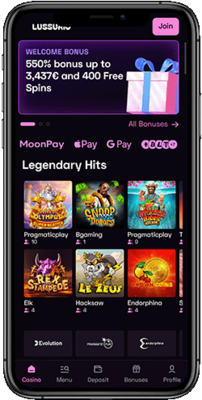
Responsible gambling tools are most useful when they are chosen before play becomes stressful or impulsive. For Canadian adults considering an offshore platform, the important question is not how attractive a promotion looks, but whether the available controls match their personal boundaries. Information about the lussurio casino bonus should therefore be considered separately from decisions about deposits, session length and account access. A practical plan begins with limits that are clear, realistic and easy to review.
Decide which limit reflects your actual risk
A single deposit cap may not be enough. Someone can stay within a funding limit while spending too much time playing, chasing losses or increasing individual wagers. A more useful approach is to consider several forms of exposure: how much money can be deposited, how much can be lost, how long a session may last and how much can be wagered during a chosen period.
Deposit limits control the amount added to an account, while loss limits focus on the amount that can disappear over a defined period. They are not interchangeable. A player who deposits a modest amount but uses it repeatedly may still need a loss boundary. Similarly, a wagering limit can be relevant when frequent small bets create more activity than intended.
Choose figures based on disposable spending money rather than income, rent, credit availability or expected winnings. A limit should remain affordable even if the entire amount is lost. If setting a limit feels difficult, use a deliberately conservative figure and treat it as a firm boundary. Gambling should not be used to solve financial pressure, replace earnings or recover unrelated losses.
How do time controls change playing habits?
Time can pass unnoticed during continuous casino play, particularly when games load quickly and results appear immediately. Session limits and reality checks are designed to interrupt that pattern. A session limit can establish a maximum period of play, while a reality check provides a reminder that prompts the player to review elapsed time and activity.
These controls work best when they are set before opening a game. Decide when the session will end, what will happen when the reminder appears and whether a break is required before returning. Do not treat a reminder as an invitation to extend play automatically. Standing up, leaving the device and doing something unrelated to gambling can make the interruption meaningful.
Time limits should also cover surrounding behaviour, not only the minutes spent with a game open. Checking results repeatedly, browsing promotions late at night or moving between devices can extend gambling beyond the intended session. A written schedule, a separate leisure activity and notifications from the device may provide useful external structure when internal stopping points are unreliable.
Use cooling-off periods before a problem grows
A cooling-off period is a temporary pause that restricts access without necessarily closing an account permanently. It can be appropriate after an unusually long session, repeated deposits, arguments about gambling or a growing urge to continue after reaching a limit. The purpose is to create distance before a short-term decision becomes a larger pattern.
Cooling-off periods should be treated as protective measures, not punishments. Select a duration long enough to interrupt the immediate urge, and avoid making a new deposit or opening another account during the pause. If the platform offers different durations, choose the one that gives enough time to review spending, sleep properly and discuss concerns with someone trusted.
Self-exclusion is a stronger option when temporary breaks have not worked or gambling is affecting finances, relationships, work or mental health. It is important to read the stated conditions carefully, including when access ends and whether the restriction applies to every account associated with the operator. For broader support in Canada, Canada’s responsible gambling information can help explain warning signs and available resources.
Check what happens after a control is activated
A limit is only useful if its operation is understood. Before relying on any setting, review whether it applies to deposits, losses, wagers or time; which period it covers; and whether it takes effect immediately or after a delay. The available material describes deposit, wagering, loss and session controls, but the exact application of each setting should be confirmed in the operator’s current account terms.
Also check whether a limit can be reduced immediately but increased only after a waiting period. That arrangement is common in gambling systems because it prevents a quick decision from weakening a boundary. Save confirmation messages or screenshots showing the selected setting, especially if the control is activated through an account menu or a support request.
Do not assume that a responsible-gambling setting overrides every other account process. Verification reviews, payment checks, bonus conditions or account restrictions may operate separately. If a control is missing, unclear or appears not to work, stop gambling and contact the stated support channel rather than continuing while waiting for an answer. Keep records of the request and the response.
Build a plan that does not depend on willpower
Controls are stronger when combined with practical barriers. Avoid storing payment details if that makes deposits too easy, keep gambling money separate from essential funds and do not use borrowed money or credit intended for bills. A personal spending record can show the total cost of play more clearly than individual transaction notifications.
Promotions deserve particular caution because bonus conditions can encourage additional deposits or longer sessions. A headline percentage, free spins or cashback offer does not reduce the financial risk of gambling. Read the qualifying deposit, wagering, expiry, game-contribution and withdrawal terms before accepting anything. If a promotion conflicts with a spending plan, declining it is a responsible choice.
Review the plan on a fixed schedule, such as once a week, without changing limits in response to a win or loss. Warning signs include hiding activity, borrowing funds, feeling irritated when unable to play, repeatedly exceeding intended sessions or trying to recover losses. If these signs appear, use a cooling-off or self-exclusion option and seek independent support rather than increasing limits.
Responsible gambling controls: common questions
Can a deposit limit prevent all gambling harm?
No. A deposit limit can restrict money added to an account, but it may not address time spent playing, losses from an existing balance or gambling elsewhere. Combine it with session, wagering or loss limits, and review whether the overall plan remains affordable and practical.
Should I choose cooling-off or self-exclusion?
Cooling-off may suit a short, defined pause when you still feel able to control future play. Self-exclusion is more appropriate when gambling repeatedly causes harm or temporary breaks fail. Read the operator’s terms and seek support if deciding between the two feels difficult.
What should I do if I exceed my chosen limit?
Stop playing rather than trying to recover the excess through another session. Record what happened, activate a stronger restriction if available and remove easy access to funds. If exceeding limits is recurring, contact a qualified support service and consider self-exclusion.